
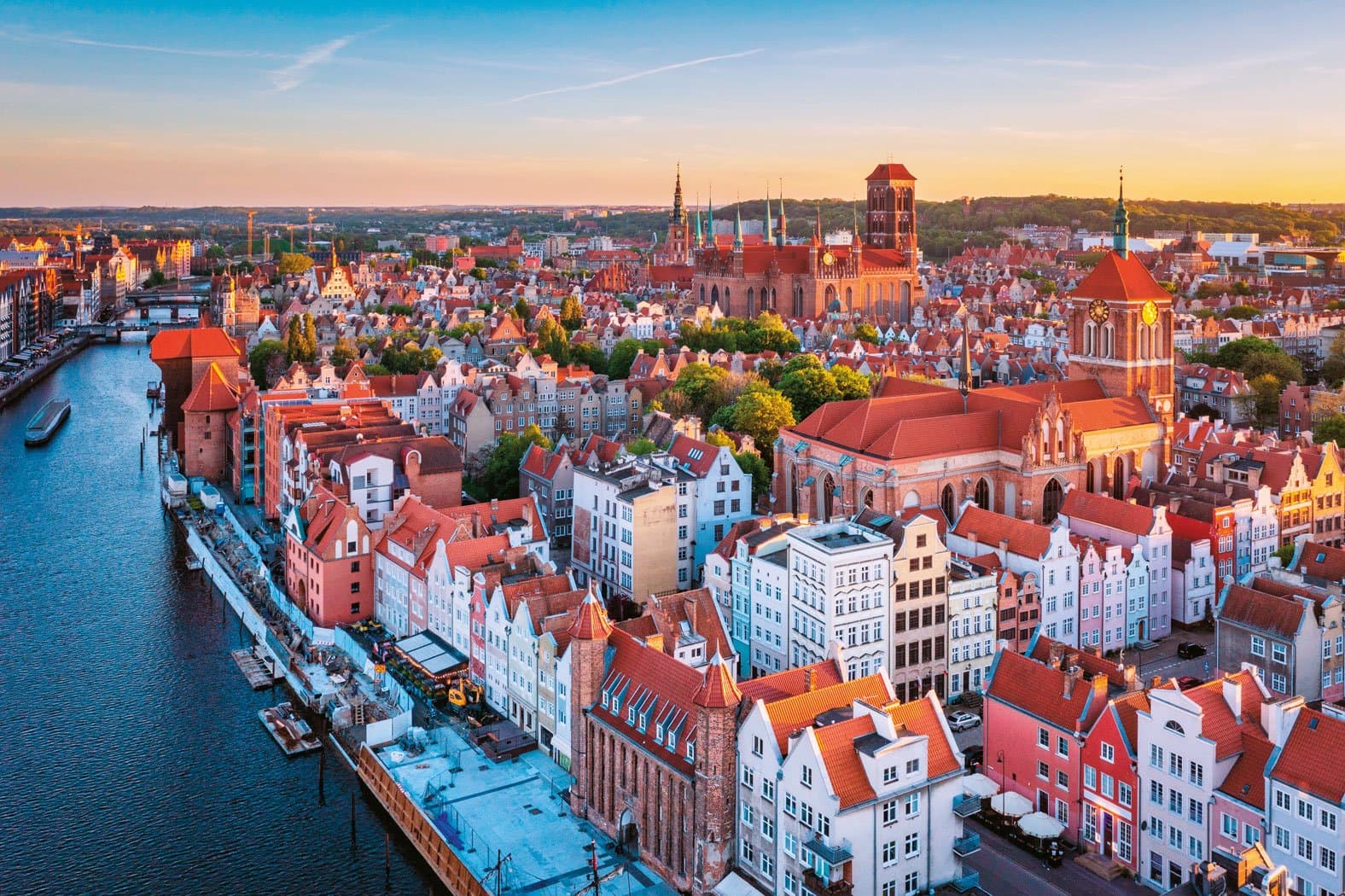
Gdańsk is the largest city in northern Poland and the capital of the Pomeranian Voivodeship. Together with the spa resort of Sopot and the modern port city of Gdynia, it forms the Tricity (Trójmiasto) metropolitan area. Home to nearly 500,000 residents (and over 1 million in the agglomeration), Gdańsk is a maritime hub with a distinct historical character, offering a high quality of life driven by its proximity to the Baltic Sea and a booming tech sector.
City Overview and Districts
Gdańsk is geographically stretched along the coast. Unlike centrally focused cities like Kraków, life in Gdańsk is distributed along the main transport axis (road and rail) connecting the south to the sea. The city's atmosphere varies drastically between its touristic center and its residential seaside quarters.
Key Districts for Expats
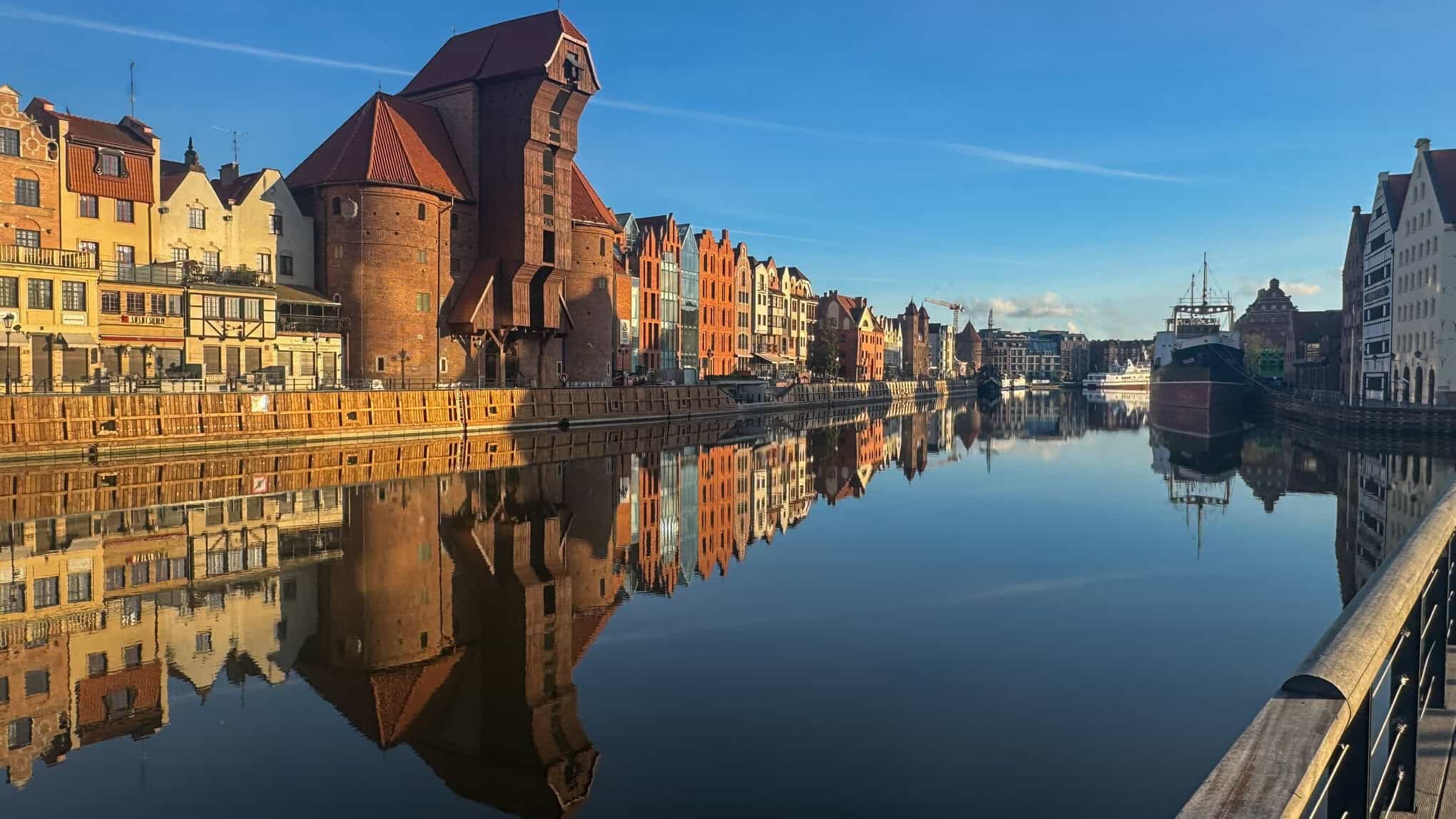
- Śródmieście (City Center): Includes the historic Main Town (Główne Miasto). While visually stunning and filled with restaurants, it is often crowded with tourists and subject to noise. Rents here are high, and parking is strictly regulated.
- Wrzeszcz: The geographical and commercial center of the city. It has excellent transport links (SKM trains, trams) and a mix of historic tenement houses and modern malls. It is highly popular among students and professionals.
- Oliwa: A prestigious, quieter district located near Sopot. Known for the Oliwa Park and business centers (Olivia Business Centre, Alchemia), it offers a balance of green spaces and corporate proximity.
- Przymorze & Zaspa: Residential districts dominated by large apartment blocks. Their main advantage is proximity to the beach (walking distance) and parks (Reagan Park). They are well-serviced by supermarkets and schools.
Housing Market and Rental Costs (2026)
Rental prices in Gdańsk are influenced by the "holiday season." Short-term rentals are lucrative in summer, so finding a long-term contract can sometimes be harder in June/July. Prices are comparable to Wrocław but generally lower than Warsaw.
Note: Prices below exclude administrative rent (czynsz administracyjny) and utilities, which typically add 700–1,000 PLN ($175–$250 USD) per month.
| Apartment Type | Average Monthly Rent (PLN) | Approx. USD (Jan 2026) |
|---|---|---|
| Studio (Kawalerka) | 2,600 – 3,000 PLN | ~$650 – $750 USD |
| 1-Bedroom (2 rooms) | 3,400 – 4,200 PLN | ~$850 – $1,050 USD |
| 2-Bedroom (3 rooms) | 4,500 – 6,000 PLN | ~$1,125 – $1,500 USD |
Currency conversion used: 1 USD ≈ 4.00 PLN (Jan 12, 2026).
Public Transport: ZTM, SKM, and FALA
Transport in the Tricity is unique because it involves multiple carriers. Understanding the difference between city transport and regional trains is essential.
1. ZTM Gdańsk (City Buses & Trams)
ZTM operates the buses and red trams within Gdańsk city limits. Standard paper or mobile app tickets are time-based.
- Single Fare (75 min or 1 trip): 4.80 PLN (~$1.20 USD).
- 24-hour Ticket: 18.00 PLN (~$4.50 USD).
2. SKM (Fast Urban Railway)
The SKM (blue and yellow trains) is the "backbone" of the Tricity, connecting Gdańsk, Sopot, and Gdynia efficiently. ZTM tickets are generally not valid on SKM trains unless you purchase a specific metropolitan integration ticket.
3. The FALA System (New for 2026)
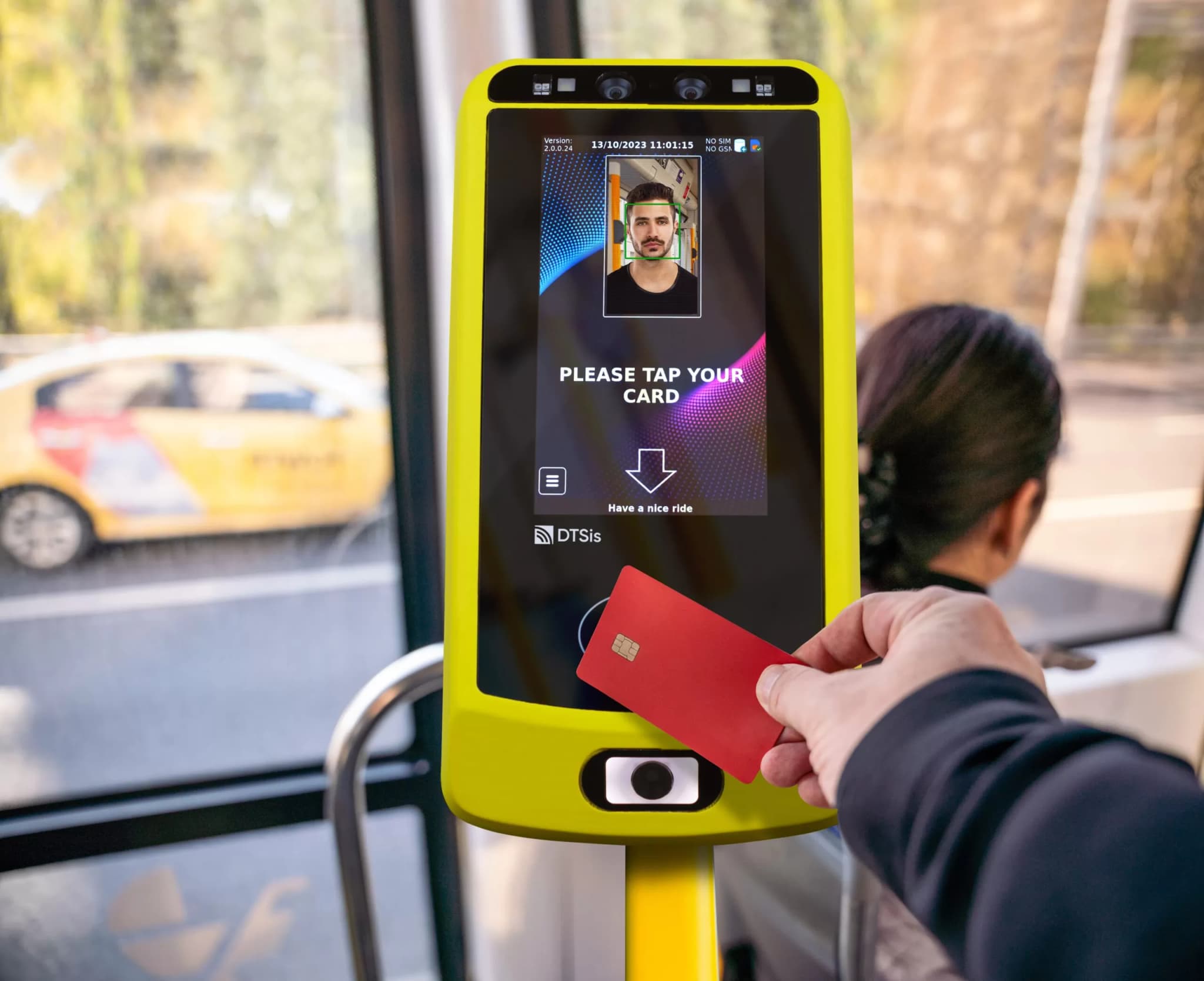
The FALA System is the unified payment platform for the Pomeranian region. It allows passengers to pay for travel on both ZTM (trams/buses) and SKM/Polregio trains using a single app or payment card.
- Dynamic Pricing: Users can "Check-In" when boarding and "Check-Out" when leaving to be charged the optimal fare for the distance traveled.
- Falomat: Readers installed in vehicles and on platforms facilitate these payments without printing paper tickets.
Labor Market and Economy
Gdańsk offers a robust job market, particularly for English speakers in the IT and corporate sectors. The unemployment rate is very low, often below 2%.
Key Industries
- Maritime & Logistics: The Port of Gdańsk is one of the largest in the Baltic.
- IT & Tech: Home to major R&D centers (Intel, Amazon) and a vibrant startup scene.
- Petrochemical: Orlen (formerly Lotos) has a major refinery presence.
Salaries: The average gross monthly salary in the enterprise sector is approximately 8,800 PLN (~$2,200 USD), with specialized maritime and IT roles paying significantly more.
Administrative Locations for Foreigners
Residence permits (Karta Pobytu) are processed by the Pomeranian Voivodeship Office (Pomorski Urząd Wojewódzki).
Department for Citizens' Affairs and Foreigners
- Main Address: ul. Okopowa 21/27, 80-810 Gdańsk.
- Entry: The dedicated entrance for foreigners is typically from Rzeźnicka Street.
- Procedures: Like other major cities, visits must be booked online. The office also operates a "Bring Your Documents" desk for completing missing formal requirements without a full appointment.
Environment and Air Quality
Gdańsk generally enjoys better air quality than southern Polish cities (Kraków/Katowice) due to strong winds from the Baltic Sea. However, smog can still occur in winter in residential districts heated by coal. The climate is milder, with warmer winters and cooler, breezier summers compared to the rest of the country.