
Visa & Entry Options for Poland: 2026 Overview for Foreigners
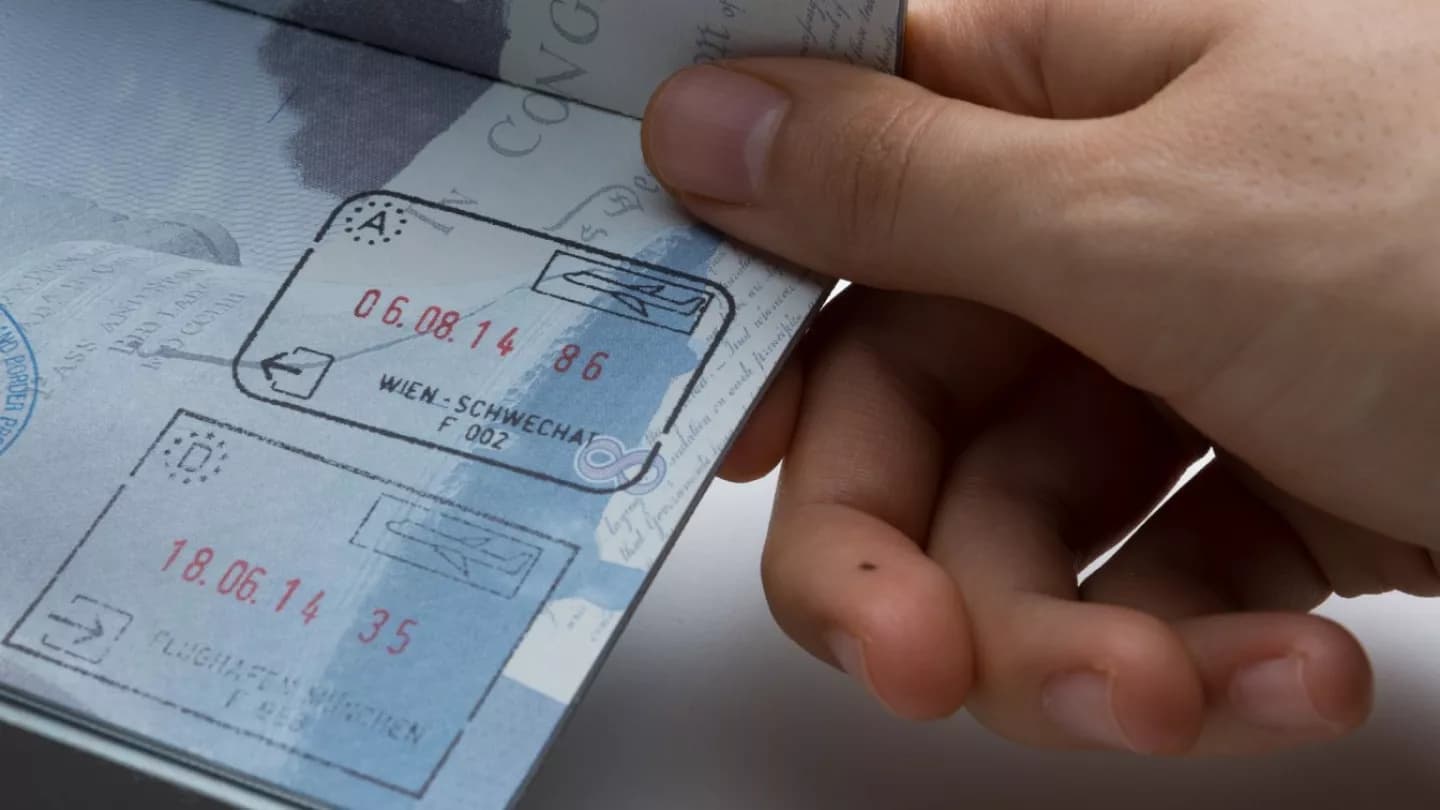
Navigating the legal requirements for entry and stay in Poland is the first step for any foreigner planning a move. As of January 2026, Poland has implemented significant administrative changes, including a mandatory digital-only filing system for residence permits and updated consular fees. Your entry options depend primarily on your citizenship and the intended length of your stay.
1. Short-Term Stays: The Schengen Visa (Type C)
The Schengen Visa is intended for visits not exceeding 90 days within any 180-day period. This is a rolling window, meaning you must count back 180 days from any day of your stay to ensure you have not exceeded the 90-day limit across the entire Schengen Area.
- Who it is for: Tourists, business travelers attending conferences or meetings, and those visiting family.
- Visa-Free Travel: Citizens of many countries (such as the USA, UK, Canada, and Australia) can enter Poland without a visa for these 90 days. However, you cannot legally work during this time without additional authorization.
- 2026 Fee: The consular fee for a Type C visa has increased to €90.
2. Long-Term Stays: The National Visa (Type D)
If you plan to stay in Poland for more than 90 days (up to one year), you must apply for a National Visa. This is the standard entry route for employees, students, and those joining family members.
While a Type D visa is issued by Poland, it also allows you to travel to other Schengen countries for up to 90 days within a 180-day period. However, it does not grant the right to work in other Schengen countries; your work authorization is strictly tied to the Polish territory.
Example: A specialist moving for a two-year contract will first receive a Type D visa for 365 days. Before this visa expires, they must apply for a temporary residence permit within Poland to continue their stay.
3. Work-Based Entry Options
To obtain a work visa, you generally need a document allowing you access to the Polish labor market. This is usually initiated by your employer before you apply for the visa.
| Permit Type | Who is it for? |
|---|---|
| Type A Permit | The most common permit for foreigners hired by a Polish entity. |
| Type S Permit | For seasonal work (agriculture, tourism) for up to 9 months per year. |
| Blue Card | For highly qualified professionals with specific salary and education thresholds. |
| Freelance/Sole Proprietor | Options exist for those starting a business, but requirements depend on individual situation and business plans. |
4. The 2026 "Digital-Only" Reform (MOS Portal)
Effective from January 1, 2026, the process for extending your stay via a residence permit (karta pobytu) has changed fundamentally. Paper-based applications are no longer accepted at Voivodeship offices.
All applications for temporary or permanent residence must now be submitted exclusively through the Moduł Obsługi Spraw (MOS) e-portal. To use this system, foreigners must have a Trusted Profile (Profil Zaufany) or an electronic signature (e-signature). While the initial application is digital, you are still required to appear in person to provide fingerprints and present original documents for verification at a scheduled appointment.
5. Costs and Financial Requirements
Applicants must prove they have sufficient financial means to support themselves. As of 2026, the general minimum requirement is approximately 776 PLN per month for a single person, though this amount varies based on the purpose of stay (e.g., students or those with families). In addition to living costs, you must show funds for a return ticket (approx. 2,500 PLN for non-neighboring countries).
Key 2026 Fees:
- National Visa (Type D): €200
- Temporary Residence Permit (Standard): 400 PLN
- Posted Worker Residence Permit: 800 PLN
Summary of Entry for EU vs. Non-EU
For EU/EEA and Swiss citizens, the process remains simplified: no visa is required to enter. However, for stays longer than 3 months, registration of residence at the local Voivodeship office is mandatory. For non-EU citizens, the path always begins with a visa application at a Polish consulate in the home country or country of legal residence.
For official application forms and to book appointments, visit the E-Konsulat System or the MOS Portal for residence matters.