
Public Transport and Driving in Poland: A Comprehensive Guide
For foreign nationals living in Poland, mobility is facilitated by extensive public transport networks in urban areas and a clearly defined legal framework for private driving. Understanding the ticketing systems, licence validity rules, and road regulations is essential for navigating the country efficiently and legally.
Municipal Public Transport
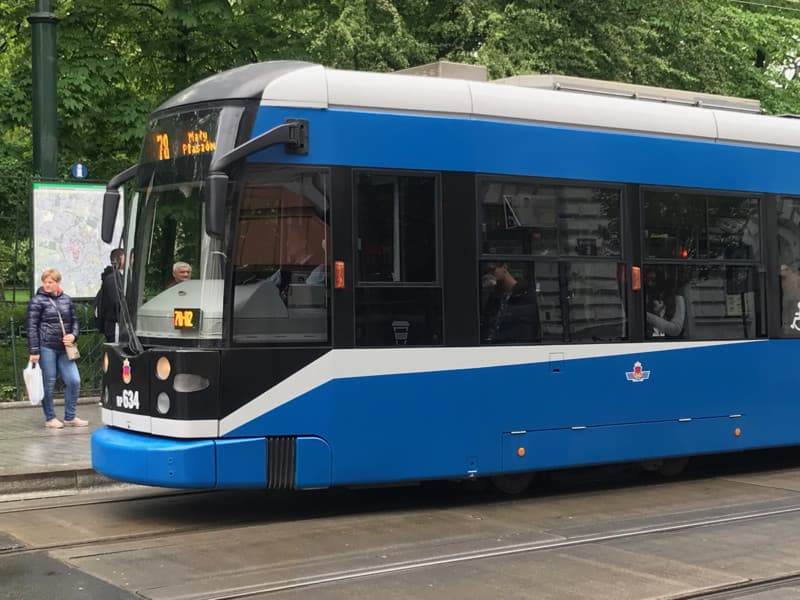
Major Polish cities operate integrated public transport systems consisting of buses (autobusy) and trams (tramwaje). Warsaw is currently the only city in Poland with a metro subway system. In many urban agglomerations, regional commuter trains (such as SKM in Warsaw or the Tricity area) are integrated into the city ticketing scheme within specific zones.
Ticketing and Zones
Public transport systems typically operate on a zone-based structure. Zone 1 usually covers the city boundaries, while outer zones cover suburban areas. Tickets must cover the appropriate zones for the journey.
Tickets are generally categorized by time validity. Common options include:
- Short-term tickets: Valid for a specific duration (e.g., 20, 75, or 90 minutes) allowing for transfers between different lines within the time limit.
- Long-term passes: Monthly or quarterly passes, often requiring a personalized city card, which offer unlimited travel within purchased zones.
Validation and Enforcement
A crucial rule in Polish public transport is immediate ticket validation. Paper tickets bought from kiosks or machines must be validated in the electronic stampers immediately upon entering the vehicle (bus/tram) or before passing the gates (metro). Tickets purchased via mobile applications are usually validated automatically upon purchase or require scanning a QR code inside the vehicle.
Travelling without a valid ticket results in a significant fine (opłata dodatkowa) if checked by ticket inspectors (kontrolerzy biletów), who operate frequently and without uniforms.
Where to Purchase Tickets
Tickets can be purchased through several channels:
- Mobile Applications: Apps such as Jakdojade, SkyCash, or mPay are widely used for planning routes and buying digital tickets instantly.
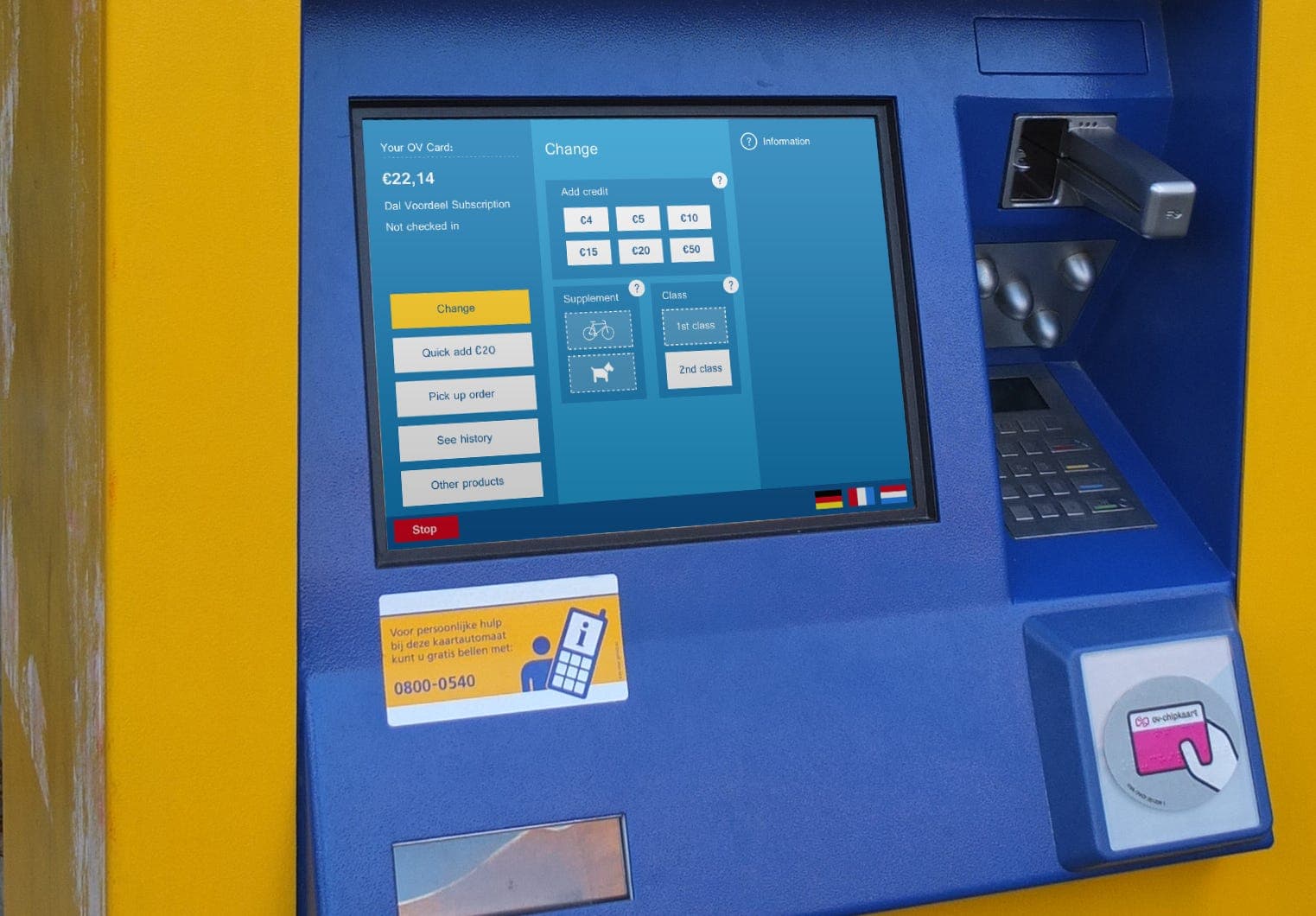
- Ticket Machines (Biletomaty): Located at major stops, metro stations, and often aboard buses and trams. Note that on-board machines may sometimes only accept card payments.
- Kiosks and Relay/Ruch shops: Traditional newsagents often sell paper tickets.
Intercity Rail Travel
For travel between cities, the primary operator is PKP Intercity, which offers various classes of trains ranging from high-speed Pendolino (EIP) to standard Intercity (IC) and economical options (TLK). Tickets for long-distance trains are specific to a particular train and departure time, often including a seat reservation.
Separate regional rail companies operate within specific voivodeships (provinces), such as Koleje Mazowieckie or Polregio. Tickets for these regional services are generally not interchangeable with PKP Intercity tickets.
Driving in Poland: Licence Regulations
The ability to legally drive in Poland depends on the issuing country of the driver's licence and the driver's residency status in Poland.
EU/EFTA Licence Holders
A valid driving licence issued by an EU or EFTA member state is recognized in Poland indefinitely, provided it remains valid in the issuing country. There is no obligation to exchange it for a Polish licence, although voluntary exchange is possible if residency is established.
Non-EU/EFTA Licence Holders
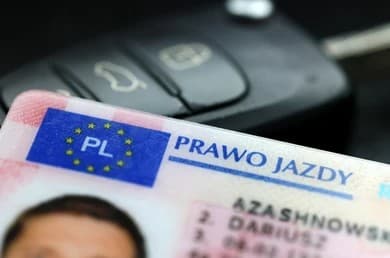
For holders of licences issued by countries that are signatories to the Vienna Convention on Road Traffic (e.g., Ukraine, UK, USA), the foreign licence is valid for driving in Poland for six months starting from the day permanent or temporary residence is established (typically the date of registration/meldunek or obtaining a residence card).
After this six-month period, the foreign licence must be exchanged for a Polish driving licence. This process involves:
- Submitting an application to the local district office (Starostwo Powiatowe) or city office.
- Providing a medical certificate confirming fitness to drive.
- Paying an administrative fee.
- Surrendering the original foreign licence upon receipt of the Polish document.
If a licence was issued by a country that is not a party to the Vienna Convention, the holder must typically pass both a theoretical and practical driving exam in Poland to obtain a Polish licence.
Key Road Rules and Requirements
Poland adheres to right-hand traffic regulations. Drivers must pay close attention to specific rules regarding speed and safety.
Speed Limits
Unless otherwise indicated by signs, standard speed limits for passenger cars are:
- Built-up areas: 50 km/h (applies 24 hours a day).
- Outside built-up areas: 90 km/h on single carriageways, 100 km/h on dual carriageways.
- Expressways (Droga ekspresowa - S): 120 km/h on dual carriageways.
- Motorways (Autostrada - A): 140 km/h.
Alcohol Limits
Poland has strict drink-driving laws. The legal limit for blood alcohol content is 0.2‰ (promille). Driving with a blood alcohol level between 0.2‰ and 0.5‰ is considered a serious offense, while anything above 0.5‰ is treated as a crime, leading to severe penalties, including licence suspension and potential imprisonment.
Mandatory Equipment
Private vehicles registered in Poland must be equipped with a warning triangle and a certified fire extinguisher. While not strictly mandatory for private passenger cars registered in Poland, carrying a first-aid kit and a reflective safety vest is highly recommended and often required in neighboring countries.
Practical Considerations
Parking Zones: Most city centers designate paid parking zones (strefa płatnego parkowania). Payment is required during specified hours on weekdays via street meters (pay and display) or mobile apps. Different sub-zones may have different hourly rates.
Road Tolls: Certain sections of motorways (Autostrada) are tolled. On state-managed sections, manual toll booths have been replaced by the electronic e-TOLL system, requiring an app or an on-board device. Concession-managed sections may still use toll booths accepting cash or card.
Official Resources
For further verification of regulations, consult these official government sources: