
Renting and Tenancy Rules
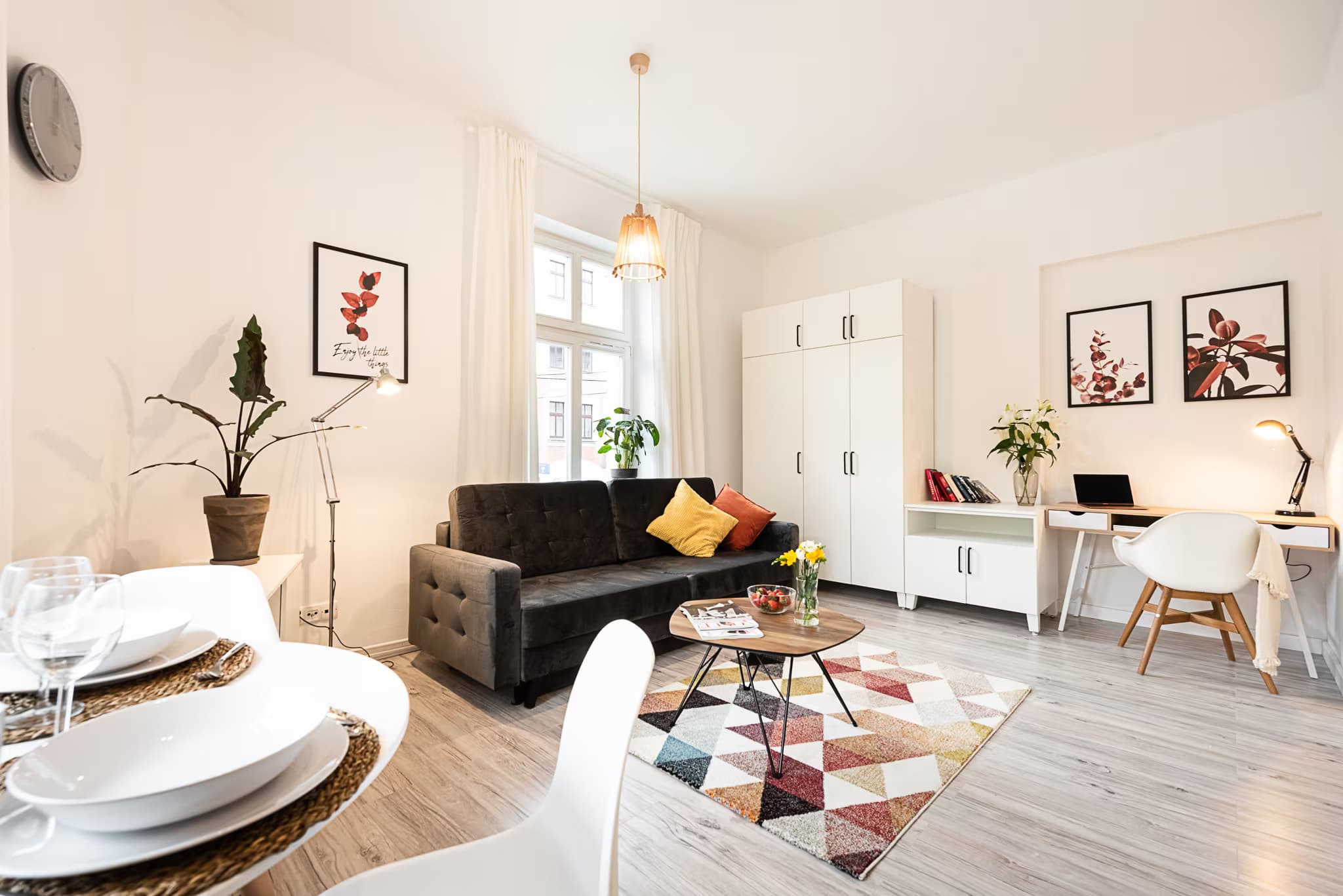
The Polish rental market is governed primarily by the Civil Code and the Act on the Protection of Tenants' Rights. For foreigners moving to Poland, understanding the distinction between different types of rental agreements is essential, as the legal protections and administrative requirements vary significantly. In 2026, the market continues to favor formal, written contracts which serve as the primary legal basis for residency registration (meldunek) and other administrative procedures.
Main Categories of Rental Agreements
In Poland, there are three primary legal frameworks for residential rentals. Choosing the correct type depends on whether the landlord is a private individual or a professional entity, and the level of legal security required by both parties.
| Agreement Type | Landlord Type | Duration | Key Feature |
|---|---|---|---|
| Standard Lease (Najem) | Private or Business | Fixed or Indefinite | High tenant protection; longer eviction process. |
| Occasional Lease (Najem Okazjonalny) | Private Individual | Fixed (up to 10 years) | Requires notary deed; simplified eviction. |
| Institutional Lease (Najem Instytucjonalny) | Business/Company | Fixed | Similar to occasional lease, but for commercial landlords. |
The Occasional Lease (Najem Okazjonalny)
The occasional lease is the most frequent choice for private landlords in 2026 because it offers increased protection against non-paying or problematic tenants. For a foreigner, this type of contract involves specific legal formalities that must be completed at a Notary Public (notariusz).
Core Requirements:
- Notarial Deed: The tenant must sign a statement at a notary's office voluntarily submitting to execution (eviction) if the contract is breached.
- Alternative Address: The tenant must provide an address in Poland where they can move if evicted.
- Consent Statement: The owner of the alternative address must provide a written statement (sometimes notarized) consenting to take in the tenant.
For foreign nationals who do not have family or friends in Poland to provide an alternative address, there are professional service providers and certain notaries who offer legal solutions to satisfy this requirement for a fee. If the tenant loses the right to use the alternative address during the lease, they are legally obliged to provide a new one within 21 days.
Financial Considerations: Rent, Fees, and Deposits
Rental costs in Poland are typically divided into three distinct components. It is important to clarify in the contract which party is responsible for each payment to avoid unexpected expenses.
Note: In Poland, "Rent" (Czynsz najmu) usually refers only to the landlord's profit, while "Administrative Rent" (Czynsz administracyjny) covers building maintenance.
- Czynsz najmu (Base Rent): The fixed monthly amount paid to the owner for the use of the property.
- Czynsz administracyjny (Service Charges): Payments to the housing cooperative (spółdzielnia) or community (wspólnota) for waste disposal, water, heating, and common area maintenance.
- Utilities (Media): Electricity, gas, and internet, often billed based on actual consumption (meter readings).
Security Deposit (Kaucja)
Landlords require a security deposit before the tenant moves in. Under the Act on the Protection of Tenants' Rights, the maximum deposit for a standard lease is 12 times the monthly rent, and for an occasional lease, 6 times the monthly rent. In practice, a deposit of 1 to 2 months' rent is the market standard. The landlord is legally required to return the deposit within 30 days of the end of the tenancy, minus any documented costs for repairs beyond normal wear and tear.
Tenant Rights and Obligations
Both parties have statutory obligations regardless of what is written in the contract. A tenant has the right to the peaceful enjoyment of the property, meaning the landlord cannot enter without prior notice or a specific emergency reason.
Tenant Responsibilities:
- Paying rent and fees on time (typically by the 10th of the month).
- Performing minor maintenance (e.g., replacing light bulbs, minor plumbing unblocking).
- Complying with "house rules" regarding noise levels and shared spaces.
Landlord Responsibilities:
- Ensuring the property is fit for habitation.
- Repairing structural elements (e.g., heating systems, roof, electrical wiring).
- Paying income tax on the rental (typically 8.5% or 12.5% for private individuals in 2026).
Practical Handling: The Acceptance Report
The Acceptance Report (Protokół zdawczo-odbiorczy) is a critical document signed when handing over the keys. It should include a detailed list of furniture, the condition of the walls and appliances, and current meter readings for electricity, water, and gas.
In 2026, it is standard practice to attach digital photographic evidence to this report. This document is the primary evidence used during the deposit return process to determine if any damage occurred during the stay.
Limitations and 2026 Considerations
Foreigners should be aware of several specific limitations in the Polish rental market:
- Meldunek: A rental contract is sufficient for a foreigner to register their stay (meldunek) at the local city hall. The landlord's separate consent is not legally required if a valid contract exists.
- Notice Periods: For indefinite contracts, the statutory notice period is 3 months. For fixed-term contracts, the lease can only be terminated early if specific conditions (reasons) are listed in the agreement.
- Short-term Regulations: As of May 2026, properties used for short-term tourism rentals (e.g., platforms like Airbnb) must comply with new EU-wide registration and data-sharing rules, which may affect availability in central urban districts.
Official Resources for Verification
For detailed legal text and administrative assistance, refer to the following official sources: